There is a particular hour in Brooklyn when the light is good enough to sell something. The corner shop knows it, the guy selling juice knows it, and the twenty people filming a pastry know it too. This is a story about what happens when a neighbourhood becomes a brand without anyone agreeing to it.
It starts, as these things often do, with a bench. The bench was put there by the city in 1987, and for thirty years it was mostly used by people waiting for a bus that rarely came. Then someone painted it a colour that photographs well, and a small café opened opposite, and within a season the bench had become the most photographed object on the block. Nobody painted it again.
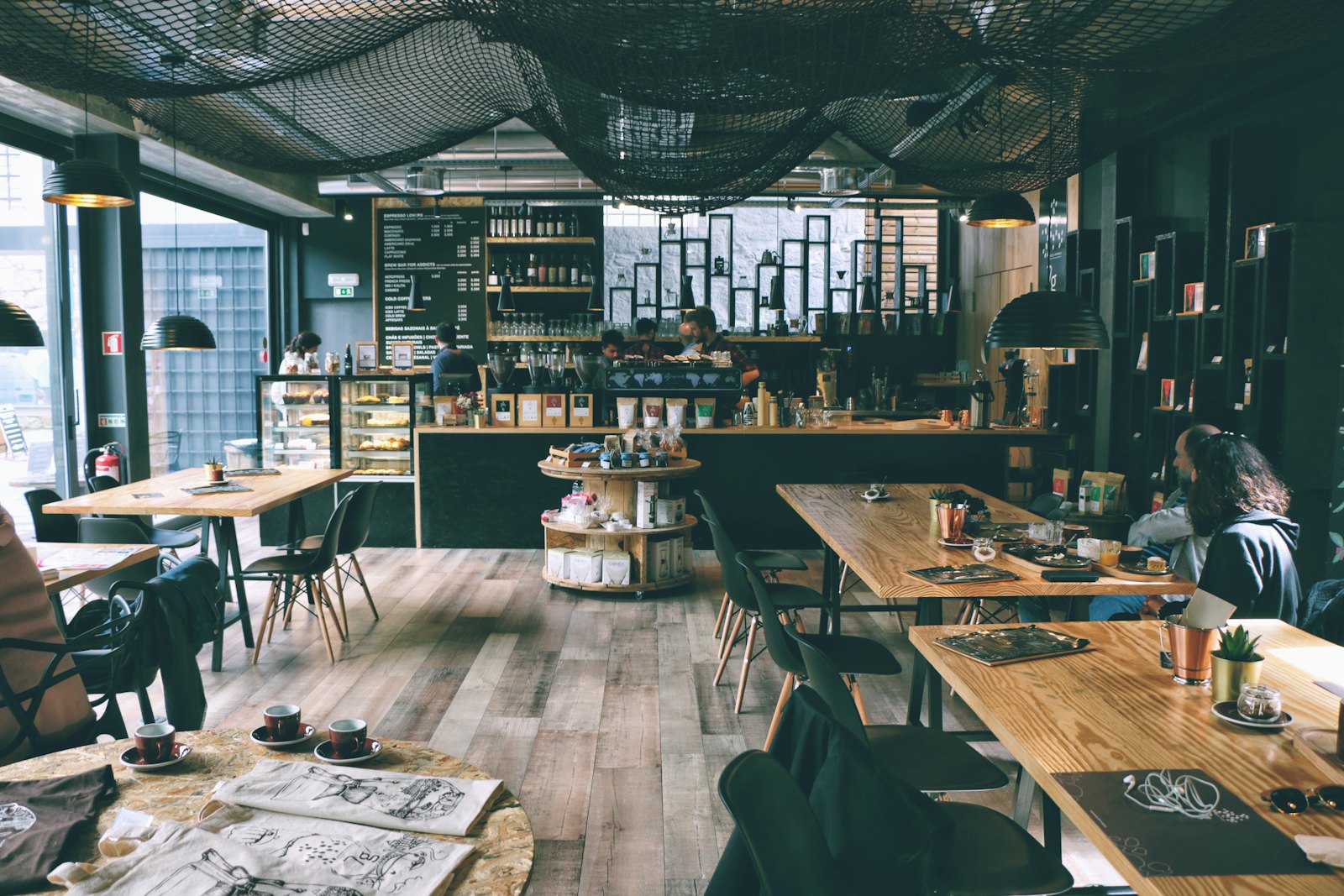
The café is good. That is the inconvenient part. The coffee is properly made, the people who own it are kind, and they do not seem to enjoy what the attention has done to the corner. “We wanted a neighbourhood place,” one of them tells me, arms folded. “Now we are a stop on a walking tour. These things are not the same.”
The story I keep being told is that the internet discovers places the way weather discovers houses: slowly, then all at once. A single video can send two hundred people past a shop window in a weekend. The shop owner has no choice in this. The leaseholder has no choice. The person who has always sat on the bench — the one who now appears in the background of other people's lives — has even less of one.
Some of the people I speak to are angry, but most are more specific than angry. They are tired of being asked to move for a photo. They are tired of a café that opened last year being written about as if it discovered the street. They are tired, most of all, of the idea that a corner is more valuable as a backdrop than as a place to sit.
There is an alternative version of this story in which everyone shares the pavement and nobody is a backdrop. I would like to write it. For now, the queue is still there at 4am, the bench is still there at dawn, and the city keeps eating itself — slowly, then all at once.
This feature appeared in PRESSED Issue 04. Additional reporting by A. Mensah. Photographs made between April and September 2026.